

Small Sizes, Big Possibilities: Rethinking How We Modernise the world’s Subsea Fleet
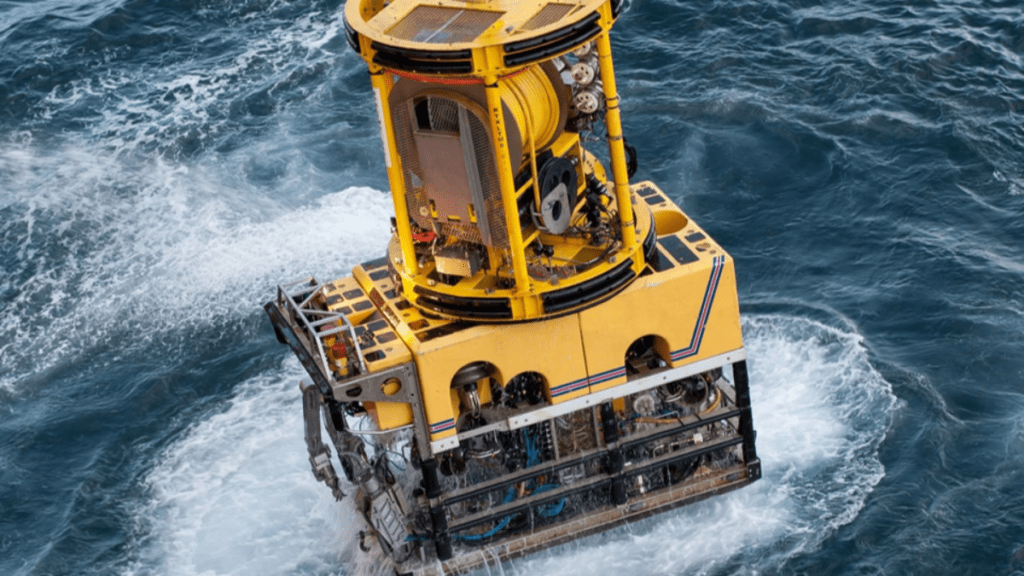
Across the subsea industry, vehicles and systems are routinely retired for reasons that have little to do with their true capability. More often than not, it is not the mechanics that have reached the end of their useful life, but the electronics platform at the heart of the system.
Frames, buoyancy modules, thrusters and hydraulic systems routinely outlast the electronics that control them. Yet mechanically capable assets are scrapped because the architecture they rely on can no longer support modern sensors, interfaces or operational demands.
That gap between mechanical longevity and electronic obsolescence is one of the most persistent and expensive challenges in today’s subsea fleet.
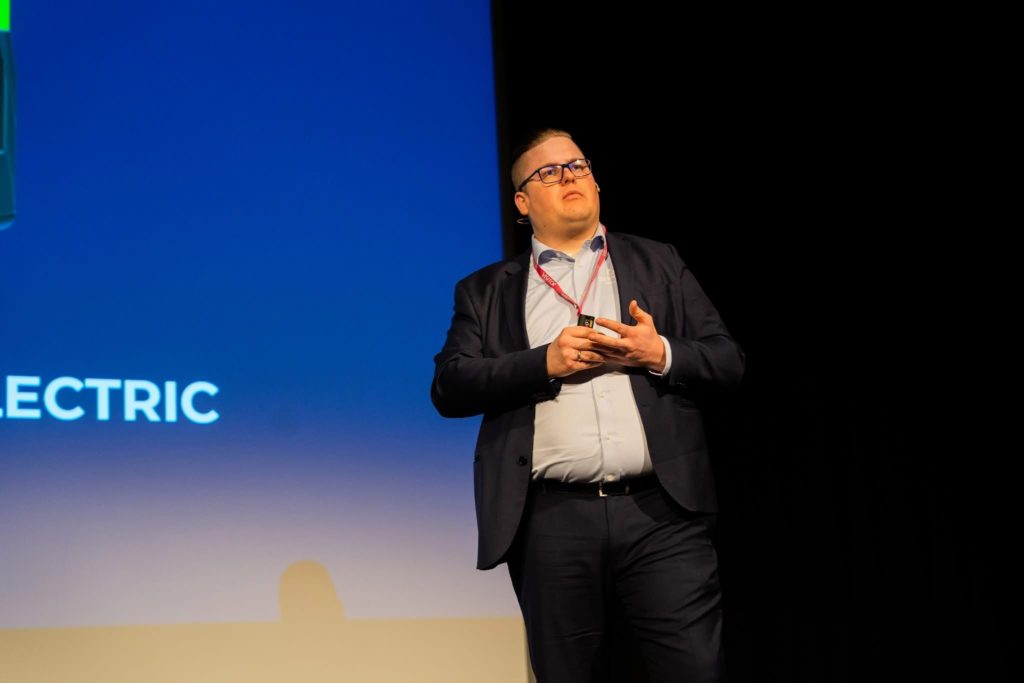
Magnus Lindberg presenting “Small Sizes, Big Possibilities” at FFU Norway 2026, discussing the role of modern electronics in extending subsea asset life.
Mechanics last. Electronics do not.
Many subsea vehicles still in service today are built around control and communication architectures developed in the 1990s. As newer sensors, tooling and third-party systems are added, interface electronics are often introduced to bridge old and new technologies.
Over time, complexity builds. Compatibility issues appear more frequently. Fault-finding takes longer. Integration costs increase. Eventually, replacing the entire vehicle can begin to feel simpler than addressing the underlying electronics platform.
Too often, as an industry, we buy new instead of thinking new.
In most other sectors, that approach would seem illogical. No one discards a perfectly functional truck because the radio is outdated. Yet in subsea operations, replacing entire vehicles due to legacy electronics has quietly become accepted practice.
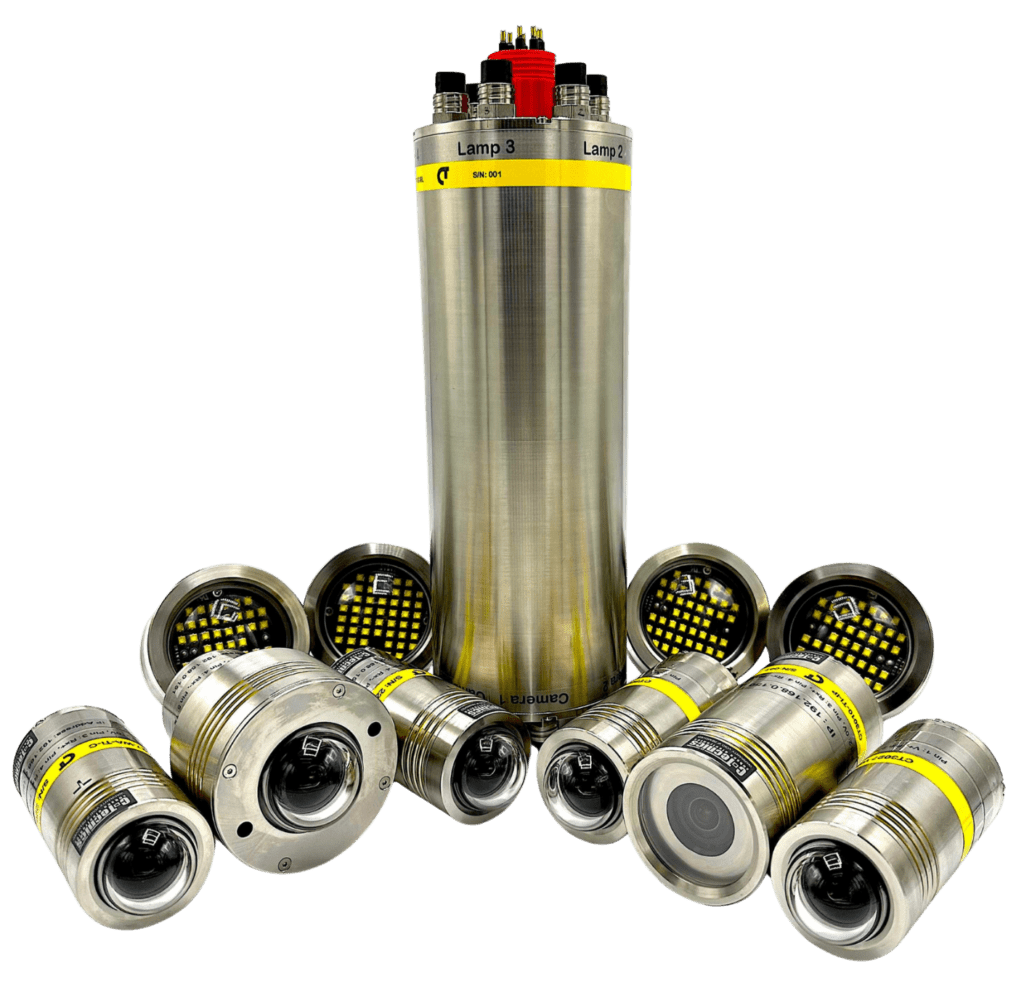
Modern compact subsea electronics allow greater capability, simplified integration, and reduced system footprint compared to legacy architectures.
Why system architecture becomes a limiting factor
Industry estimates commonly place the global fleet at around a thousand work-class ROVs, with many more observation vehicles, tools and subsea systems in service.
Even if the industry wanted to replace the global fleet overnight, it simply could not. The manufacturing capacity, supply chains and specialist labour do not exist to replace everything at once. Replacement alone is not a viable strategy.
In most cases, the problem is not the mechanics, but how the systems connect and work together.
Historically, vehicles were physically large because electronics were physically large. Control bottles could measure up to two metres in length and weigh tens of kilograms, not because the function demanded it, but because the technology required it.
Modern electronics have changed that completely. Equivalent control and communication capability can now be delivered in compact housings well under half a metre in length, closer in scale to a typical thermos flask than to the metre-long cylinders of the past. Replacing legacy electronics platforms with modern alternatives frees space, reduces weight and creates new integration opportunities.
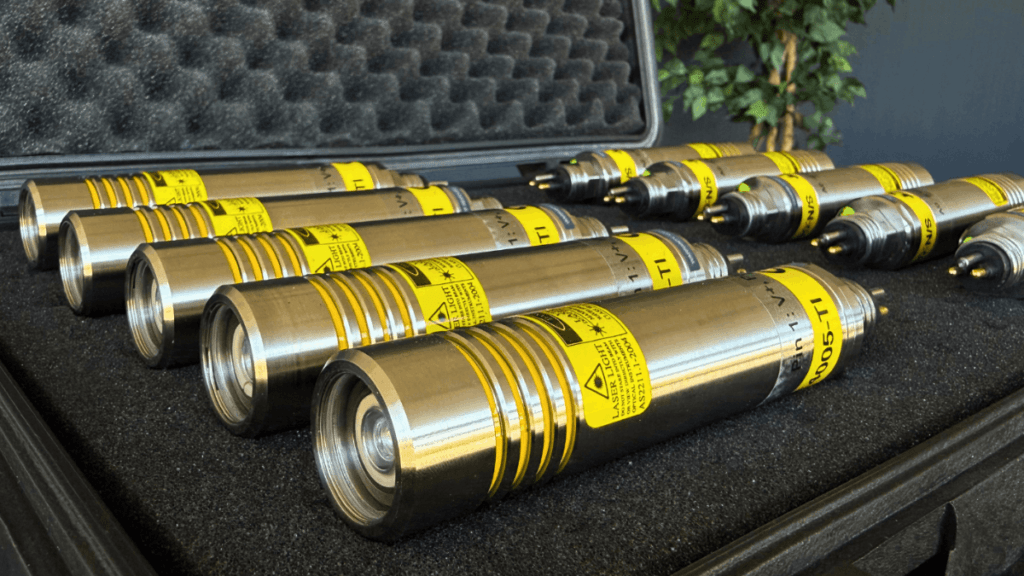
Compact subsea laser and sensor technologies continue to reduce space and integration requirements across modern ROV and inspection systems.
What modern electronics change in practice
Smaller electronics bring benefits beyond weight and space.
Modern platforms allow systems to operate on a common architecture, reducing the need for multiple interface layers. Cabling becomes simpler. Integration is more direct. Potential failure points are reduced. Connector technology has followed the same path, with compact modern connectors replacing large legacy end-caps and enabling far greater density in a smaller footprint.
Vehicles that once required dozens of cables can now operate with only a handful, meaning installation, maintenance and fault-finding becomes more straightforward.
Importantly, modernising electronics does not require shrinking the vehicle itself. Older, physically larger vehicles often provide better access for maintenance and modification than ultra-compact new builds. Upgrading the electronics while retaining the mechanical platform allows operators to combine modern capability with practical accessibility.
Many operators will recognise vehicles such as the Triton XL. The oldest of these are now approaching 30 years in service. Mechanically, they remain highly capable, with strong thrust, substantial payload capacity and the ability to support complex tooling spreads. Yet vehicles of this type are often retired not because they are ineffective, but because their electronics architecture cannot support modern operational requirements.
Sensors are evolving in the same way. Where vehicles once relied on separate depth sensors, gyros, altimeters, temperature sensors and cameras, modern systems increasingly combine these functions into single units.
Cameras, in particular, are no longer just cameras. A modern subsea unit may combine multiple fields of view, colour and monochrome modes, internal recording, inertial sensing and integrated lighting within a single housing. Some now incorporate AI-driven functionality. The result is fewer cables, fewer integration layers and fewer potential failure points. Upgrading legacy platforms is therefore far more achievable than many assume.
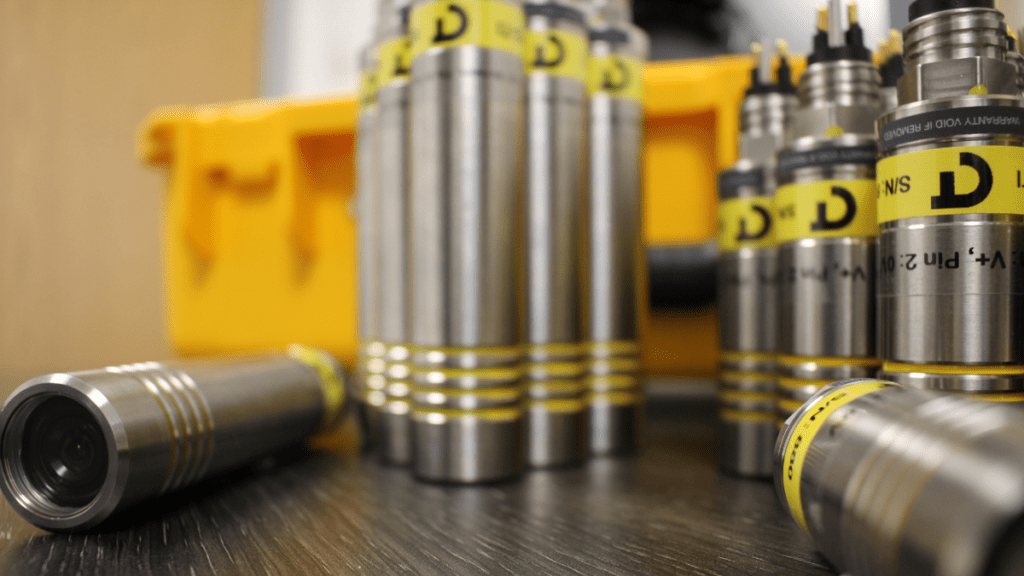
Smaller, modular subsea electronics platforms can support flexible system configurations while reducing cabling and interface complexity.
The operational, financial, and sustainable reality
Modernising existing assets is not only a technical decision. It is an operational and financial one.
Offshore markets move in waves. In stronger periods, companies invest heavily in new assets. When conditions tighten, heavy capital investment can quickly become difficult to sustain, often resulting in reduced capability and workforce cuts.
The most profitable vehicle is often the one that is already paid for. Extending asset life through targeted modernisation allows operators to remain competitive without taking on unnecessary capital exposure. It also helps maintain continuity in skilled teams, rather than repeatedly scaling up and down with market cycles.
There is also a straightforward environmental dimension. The global subsea fleet represents millions of tonnes of material. Scrapping mechanically sound assets creates waste that does not need to exist. Extending asset life through modernisation reduces unnecessary material loss and makes better use of equipment that is already built and deployed.
The response to this discussion at FFU earlier this year suggested that many operators and manufacturers already recognise the scale of the opportunity. The question is less about whether modernisation is possible, and more about whether it is being prioritised.
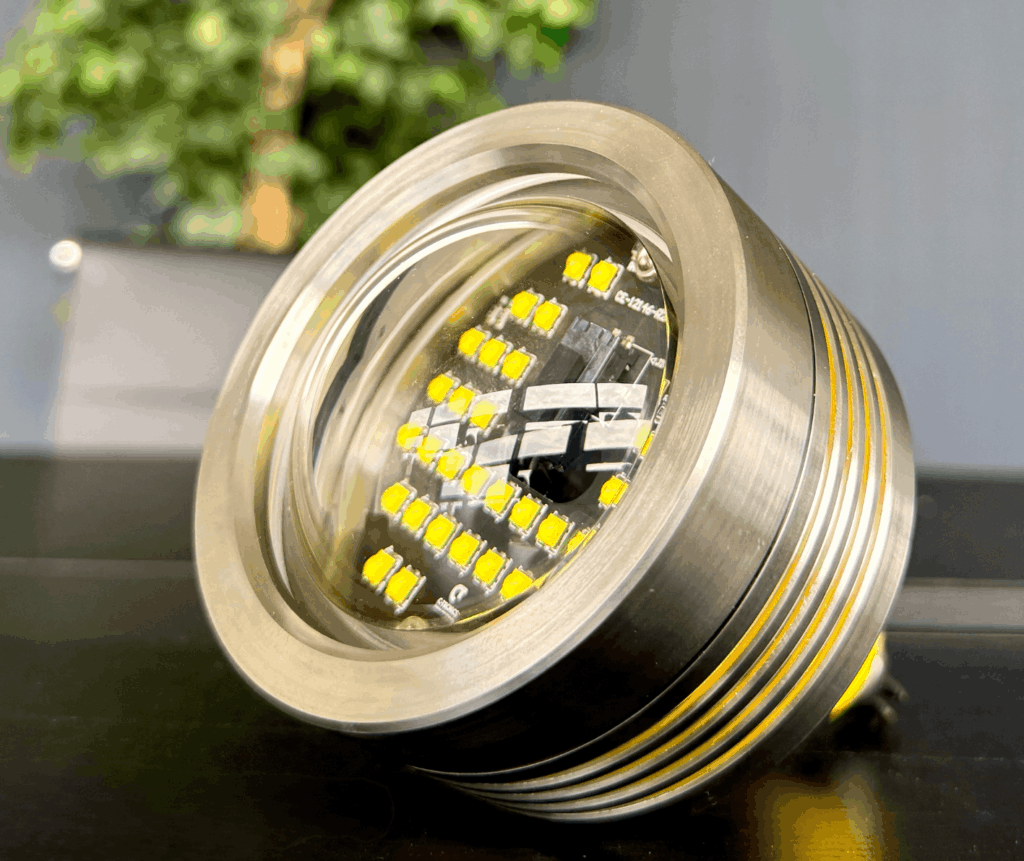
Modern subsea imaging systems increasingly combine lighting, sensing, recording, and multi-role functionality within a single compact housing.
Why replacement should not be the default
There is a familiar pattern when older vehicles are retired. Two groups tend to be unhappy: the accountants, who see the cost of replacement, and the pilots, who understand the true capability of the asset being lost.
Operators know the value of payload capacity, accessibility and robustness. Their experience should carry weight in decisions about when replacement is genuinely necessary, and when modernisation offers a better outcome.
This is not an argument against innovation or new builds. New vehicles will always have a place in the industry. But replacement has quietly become the default response to ageing electronics. It does not have to be.
OEMs, equipment manufacturers and operators all have a role to play. If equipment is designed only for brand-new platforms, operators are pushed toward unnecessary replacement cycles.
Using modern, compact electronics and multi-role systems more intelligently allows the industry to unlock significant capability from assets already in the water. Small sizes can create big possibilities, provided we are prepared to rethink how we modernise the subsea fleet.
Modernising electronics rather than replacing mechanically sound assets can unlock significant operational and commercial value across the global subsea fleet.
Author Bio
Magnus Lindberg is Managing Director of C-Tecnics Norway. With extensive experience in subsea systems, ROV tooling, and offshore operations, he has worked closely with operators and contractors across multiple sectors to develop practical, field-ready solutions for modern subsea challenges. His focus is on improving system integration, extending asset life, and delivering robust subsea electronics that enhance operational capability without unnecessary replacement of existing platforms.
Need support with an upcoming project?
From standalone equipment to complete system configurations, the C-Tecnics team can assist with product selection, technical guidance, quotations and project requirements.